Research & Results
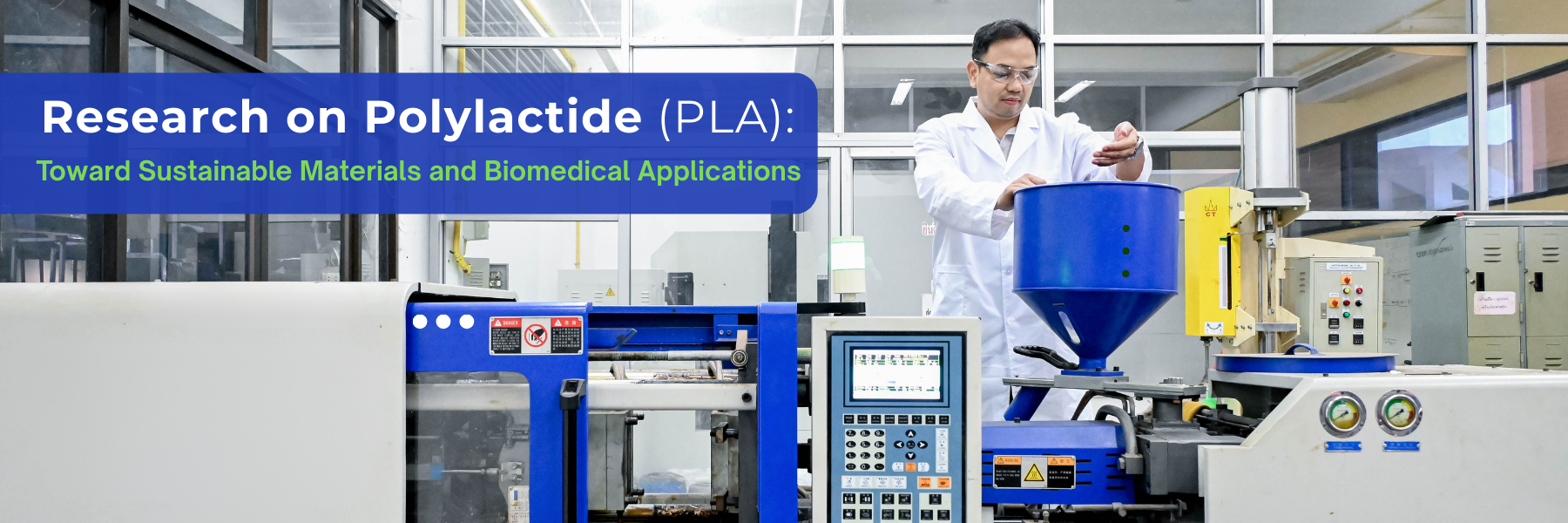
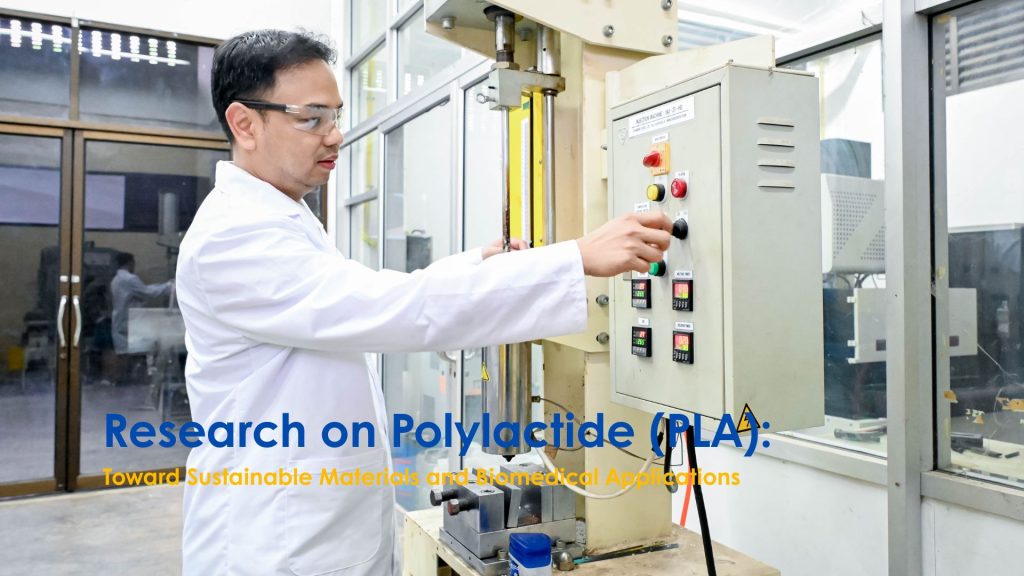
Research on Polylactide (PLA): Toward Sustainable Materials and Biomedical Applications
Assoc. Prof. Yottha Srithep, PhD
Department of Manufacturing Engineering, Faculty of Engineering, Mahasarakham University
Research Background
Polylactide (PLA) is one of the most widely studied biodegradable polymers, derived from renewable resources such as corn and sugarcane. Its biodegradability, biocompatibility, and potential to replace petroleum-based plastics make PLA an attractive candidate for both environmental sustainability and biomedical innovations.
At Mahasarakham University, research on PLA focuses on improving its thermal stability, crystallization behavior, mechanical performance, and degradability, addressing the limitations that currently hinder its widespread applications.
Key Research Directions
- Stereocomplex PLA (SC-PLA):
- Blending poly(L-lactide) (PLLA) and poly(D-lactide) (PDLA) to form SC-PLA with higher melting temperature and improved mechanical properties.
- Potential uses in high-temperature packaging and biomedical scaffolds.
- PLA Blends and Nanocomposites:
- Introducing natural additives (e.g., epoxidized soybean oil, nanocellulose) to improve flexibility, toughness, and crystallization rate.
- Developing eco-friendly composites suitable for packaging and engineering applications.
- Biomedical Applications:
- Scaffold design for bone tissue and regenerative medicine.
- Surface modification and degradation studies for improved biocompatibility.
- Sustainability and Green Processing:
- Moving toward solvent-free processing methods.
- Exploring recycling and circular economy pathways for PLA-based materials.
Broader Impacts
- Environmental: Offering alternatives to petroleum plastics and reducing plastic waste.
- Economic: Creating opportunities for bioplastic industries in Thailand and ASEAN.
- Medical: Contributing to the development of advanced biomaterials for healthcare applications.
Future Outlook
The research team aims to expand collaborations with international partners, focusing on eco-friendly and multifunctional PLA materials. With growing global demand for sustainable solutions, PLA research is expected to play a vital role in shaping the future of both packaging and biomedical engineering.
Contact Information
Assoc. Prof. Dr. Yottha Srithep
Faculty of Engineering, Mahasarakham University
Email: [email protected]
Tel: +66910614566
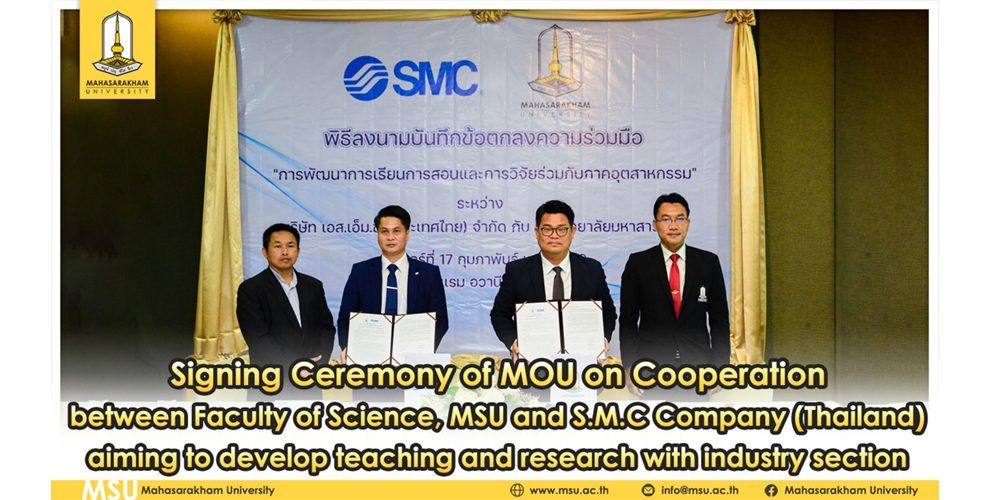
Signing Ceremony of MOU on Cooperation between Faculty of Science, MSU and S.M.C Company (Thailand) aiming to develop teaching and research with industry section
Signing Ceremony of MOU on Cooperation between Faculty of Science, MSU and S.M.C Company (Thailand) aiming to develop teaching and …

Researchers from MSU Cultivate and Develop Commercial Products from Watermeal that Meet Quality Standards and Encourage Environmental Friendliness
Researchers from MSU Cultivate and Develop Commercial Products from Watermeal that Meet Quality Standards and Encourage Environmental Friendliness Many people …

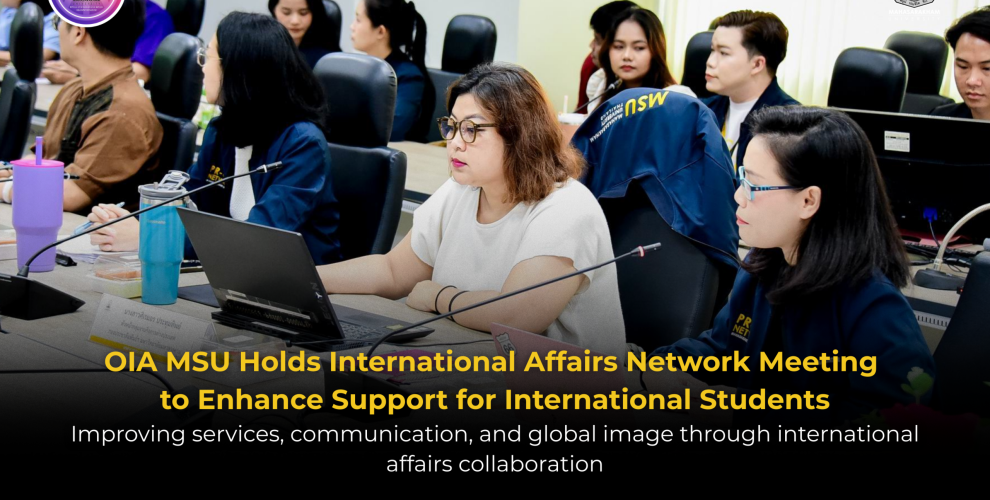
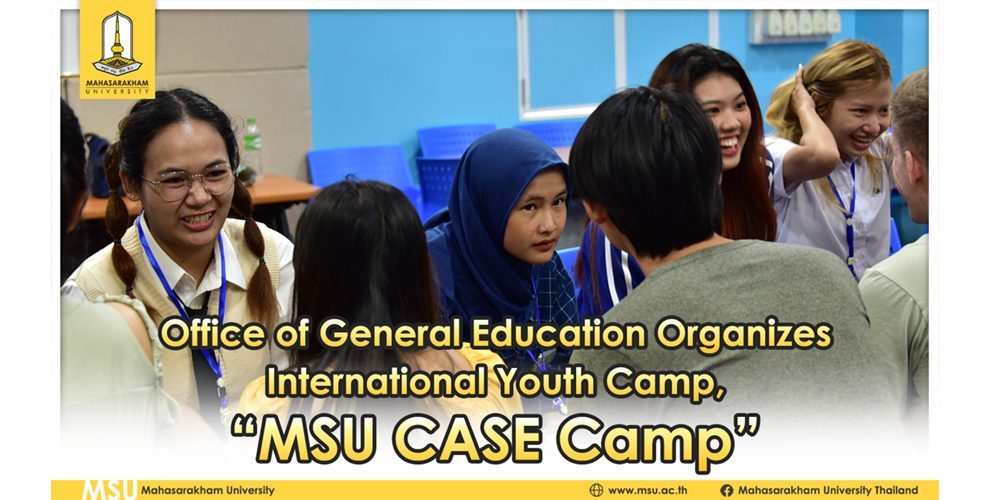
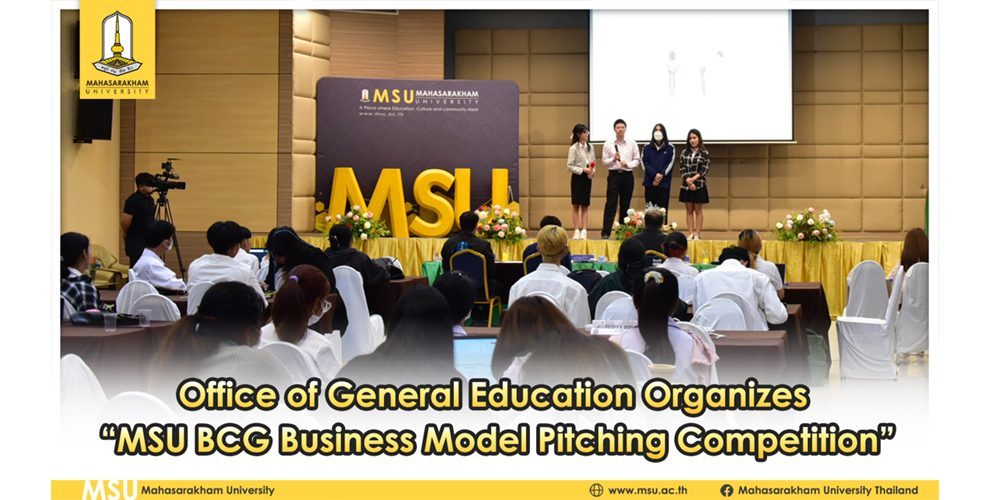
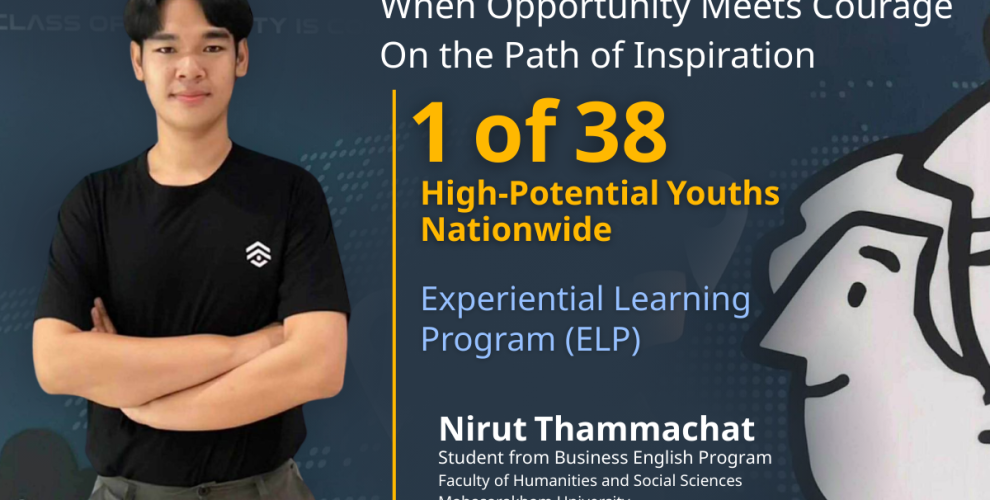
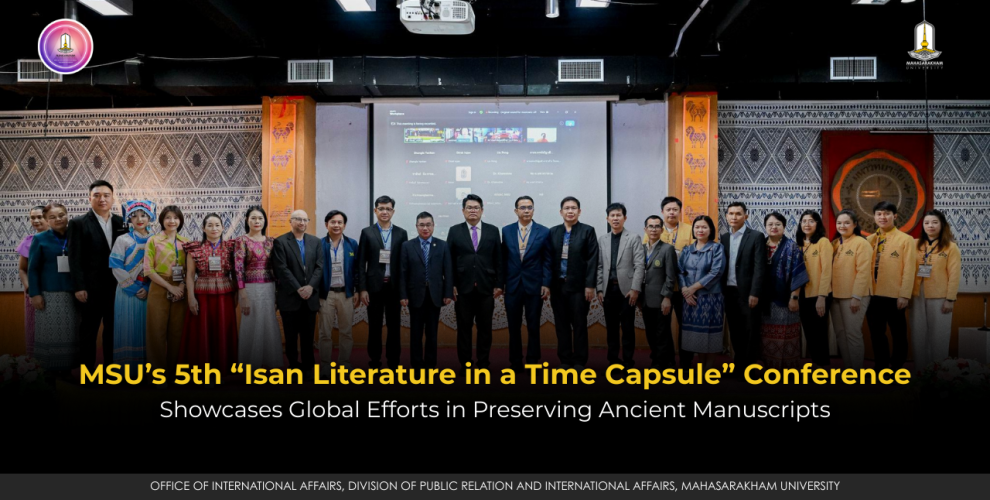
MSU’s 5th “Isan Literature in a Time Capsule” Conference Showcases Global Efforts in Preserving Ancient Manuscripts Hybrid international forum brings together experts from Asia and Europe to discuss innovation in cultural heritage conservation
On August 27, 2025, the Research Institute of Northeastern Art and Culture, Mahasarakham University, in collaboration with domestic and international …
RESEARCH CENTERS
A visit to MSU Museum is an opportunity to learn about the traditional local Isan lifestyle and the history of MSU. The museum comprises six buildings which have been moved onto the site. They are typical farm and village homes and outbuildings. As lifestyles change the museum will be a reminder of the way local people lived in the past.
One building in the museum has been devoted to a display showing the history of MSU. Interactive displays show the ways our university has changed over the years. Visitors engage with photographs and audio stories (in Thai) which include reminiscences from several generations of alumni.
Visitors can also enjoy a small zoo containing four species of deer, rabbits, guinea pigs, green peafowl, red jungle fowl and several species of parrot. The zoo was set up with assistance from Nakhon Ratchasima Zoo. It hopes to be a place where families can bring their children to enjoy the animals as living creatures and also to provide opportunities for farmers to investigate possibilities of farming different species.
A conference room with seating for 45 is available within the museum.
The museum sits alongside a pond and among trees creating a delightful and peaceful atmosphere for relaxing while learning about local culture, the university and nature. It can be found on the left-hand side of the road when entering the university from Taakonyaang. The museum is open Monday to Friday 8.30 am to 4.30 pm. For enquiries, please phone +66 43 754380.
————————————————-
The Research Institute of Northeastern Art and Culture was established to facilitate the University’s mission of conserving and promoting Isan art and culture. In its earlier years, the center received financial support from various organizations which enabled it to carry out numerous projects and expand its operational scope over the years. The initial project took place in 1970 when the center was known as the Center for Northeastern Art & Culture.
In 1986, the center took its present name and a budget was allocated for its current five-story building designed in a contemporary northeastern Thai style to reflect the uniqueness and beauty of Isan art and culture. The building has since been the main center for gathering information relating to Isan art and culture as well as for administration, exhibition and research activities. At present, the Institute offers two post-graduate programs, a Master of Arts program and a Doctor of Philosophy program in Cultural Studies.
————————————————-
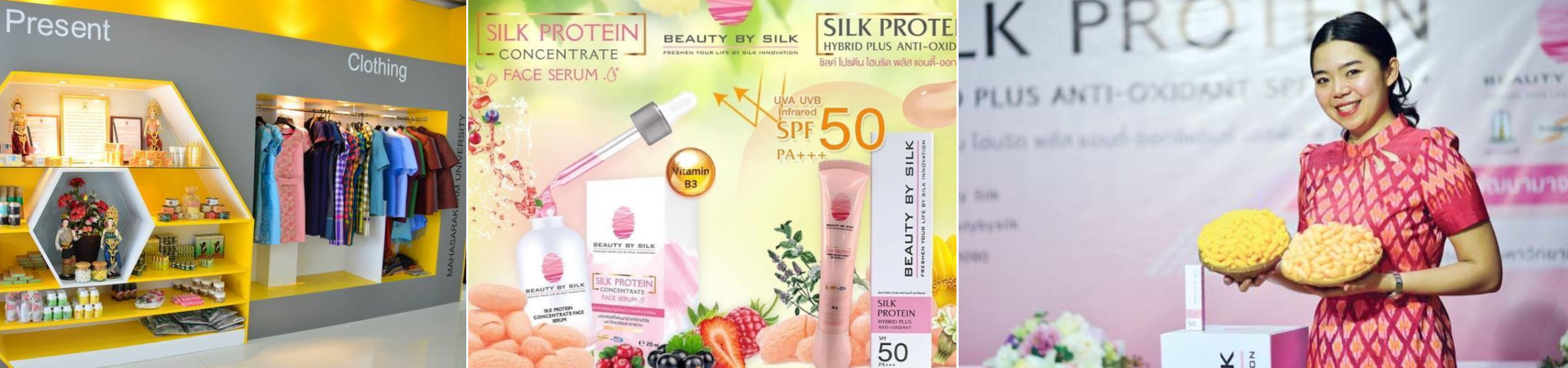
Center of Excellence for Silk Innovation
MSU has a firm belief in promoting the silk industry of northeastern Thailand and with this in mind established the Center of Excellence for Silk Innovation in 2000. 90% of all farmers’ families in the region earn additional income from silk production. Being in the geographic center of the region amid the rich silk culture MSU plays a leading role in conducting research and preparing personnel to support the industry throughout Thailand.
MSU, in conjunction with Kyoto Institute of Technology (KIT), Japan, which is recognized for its expertise in silk production, has been carrying out a project to develop sericulture. A number of faculty members have accordingly been sent to KIT to pursue a doctoral degree there. The University’s staff and students have also participated in workshops and field study in Japan. The Japanese government has also donated scientific equipment to the Silk Innovation Center. The center currently serves as a hub for transferring technology and adapting the body of knowledge from Japan to suit the situation in Thailand. The applied technology and knowledge have been passed on to the agricultural and industrial sector to support production.
Natural Medicinal Mushroom Museum
Research and Innovation MSU
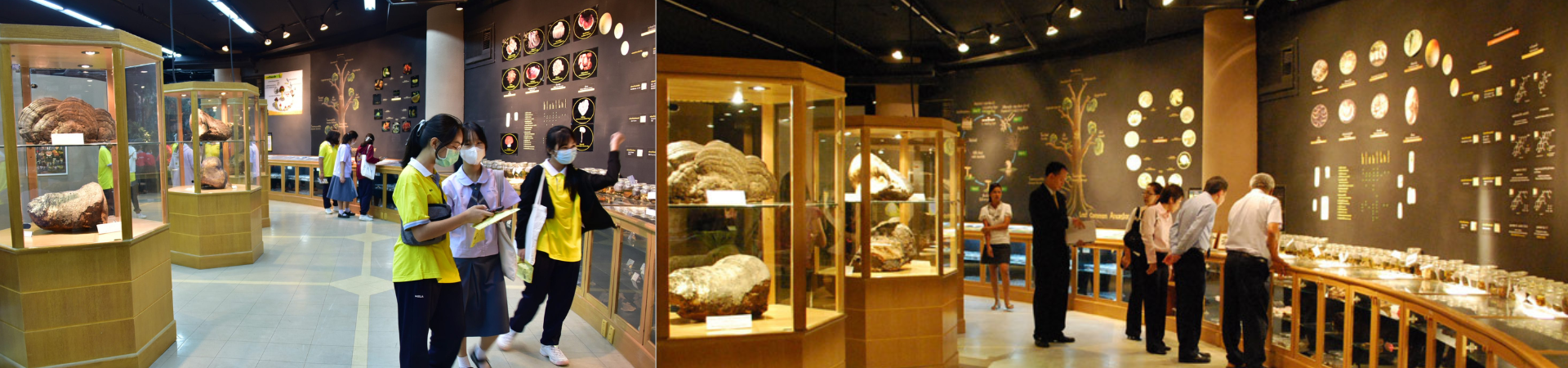
Northeastern Thai, or Isan, people consume mushrooms in large quantities each year. Some kinds of mushroom are used as medicine for certain diseases; however, academic studies on mushrooms have rarely been conducted. Being located in the center of this region, rich with many varieties of this valuable resource, Mahasarakham University has taken on a leadership role in conserving and inheriting the wisdom as well as increasing the body of knowledge in the use of this natural treasure. The Faculty of Science at Mahasarakham University has initiated the natural medicinal mushroom museum project with the collaboration of the Thai-Korean Natural Phellinus Mushroom Research Center. The construction of the museum was started in May, 2007 and completed in August of the same year. It is regarded to be the first natural medicinal mushroom museum in Thailand and Asia.
Palaeontological Research and Education Centre